Welcome to the Heartbeat of Almaty: A Sensory Introduction
Welcome to the heartbeat of Almaty. Long before you see it, you’ll sense it: a symphony of vendors calling out, the sweet scent of ripe melons mingling with the earthy aroma of spices, and the vibrant energy of a city converging in one place. This is the Green Bazaar, or Zelyony Bazaar, a landmark that is far more than a market – it is the living, breathing soul of Almaty, Kazakhstan. For well over 150 years, this bustling hub has served as the city’s primary pantry and a vital crossroads of Central Asian culture. Trading has occurred on this site since 1868, and the market has witnessed the evolution of Almaty from a frontier trading post to a modern metropolis. This guide will navigate you through its labyrinthine aisles, from mountains of fresh produce to sizzling cauldrons of Plov, helping you uncover the most authentic flavors and finds that this iconic institution has to offer. Prepare to engage all your senses in an unforgettable exploration of local life and Kazakh heritage.
Stepping into the Green Bazaar: A Riot of Sights, Sounds, and Aromas
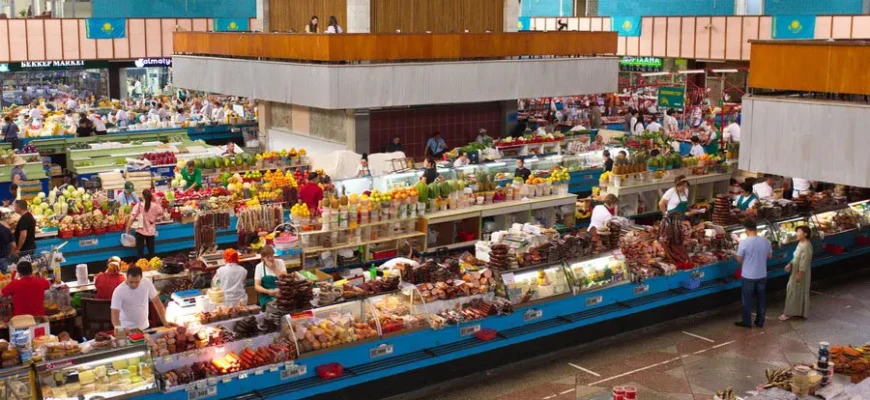
Entering the main pavilion, extensively reconstructed in 2017 but still buzzing with its original spirit, is an immediate sensory immersion. The current pavilion is part of a larger complex built on the foundation of the original 1975 Soviet constructivist market structure, designed by chief architect Mark Pavlov. Sunlight streams through large windows, illuminating pyramids of pomegranates, glistening jars of honey, and intricate displays of dried fruits and nuts. The air is thick with a tapestry of smells: the sharp tang of pickled vegetables, the warm fragrance of freshly baked bread, and the exotic pull of countless spices from across Central Asia. The soundscape is just as rich – a constant hum of chatter in Kazakh and Russian, the rhythmic chopping of butchers, and the friendly, persuasive calls of vendors offering a taste of their wares. It’s a place of organized chaos, a vibrant spectacle that captures the essence of a traditional Central Asian market and stands as a testament to the region’s multicultural heritage.
Why the Green Bazaar is More Than Just a Market: A Glimpse into Almaty’s Soul and Local Culture
The Green Bazaar is a microcosm of Almaty itself – a city at the confluence of cultures and traditions spanning the Silk Road. Here, traditions are not just preserved; they are lived daily. Watching a grandmother meticulously select vegetables, seeing friends share a bowl of savory noodles, or observing the time-honored art of haggling reveals the fabric of local culture. It’s a place where you can trace the historical Silk Route through the spices on offer and witness the nomadic heritage in the unique meat and dairy products found nowhere else. Every stall tells a story, every interaction is a small cultural exchange, making a visit here an essential chapter in understanding the spirit of Kazakh culture and the greater Central Asian region.
Navigating the Bazaar: Essential Practicalities for Your Visit
A successful trip to the Green Bazaar requires a bit of preparation. Understanding its layout, timing your visit, and knowing the local customs will transform your experience from a simple shopping trip into a seamless cultural adventure.
Finding Your Way: Location and How to Get There
Located in the Medeu District at the intersection of Zhibek Zholy Street and Zenkov Street, the Green Bazaar is easily accessible from most parts of Almaty. The market’s central location makes it convenient for exploration. If you’re using a ride-hailing app like Yandex Go (the regional equivalent of Uber), simply enter “Zelyony Bazaar” or “Green Bazaar” as your destination. For those opting for public transport, numerous bus and trolleybus routes stop nearby. The Raiymbek Batyr metro station (opened December 1, 2011) on Line 1 of the Almaty Metro is approximately a 20-minute walk away, providing a scenic route that can take you past the beautiful Almaty Central Mosque. The market’s proximity to these transport hubs makes it a straightforward destination from most parts of Almaty.
Best Time to Visit and Market Hours: Maximize Your Experience
The Green Bazaar is generally open from 8:00 AM to 7:00 PM, Tuesday through Sunday. It is closed on Mondays for cleaning and restocking. To experience the market at its most vibrant, visit on a weekend morning when locals are doing their weekly shopping. The atmosphere is electric, produce is at its peak freshness, and the energy is contagious. For a more relaxed experience with fewer crowds, a weekday afternoon is ideal, allowing for more leisurely browsing and longer conversations with vendors. During the summer months, the market tends to be more crowded, while autumn and winter months offer a slightly quieter experience.
Money Matters: Currency, Payments, and Wise Spending
Cash is king at the Green Bazaar. While some of the more established vendors in the main hall may have card terminals, the vast majority of stalls, especially those selling street food, fresh produce, or unique handicrafts, operate exclusively with cash. The local currency is the Kazakhstani Tenge (KZT). It’s wise to bring a mix of smaller denominations for easier transactions. ATMs are available near the market’s entrances if you need to withdraw funds. While prices for fresh produce are often fixed, gentle and respectful bargaining is common practice for souvenirs, textiles, traditional Kazakh handicrafts, and some dried goods. This negotiation is part of the authentic bazaar experience.
Communication: Bridging the Language Gap
The primary languages spoken at the bazaar are Kazakh and Russian. English is not widely spoken, but this shouldn’t be a barrier. Vendors are accustomed to communicating with international visitors through gestures, smiles, and the universal language of food. A translation app like Google Translate or the Onay app can be helpful for more detailed conversations. A calculator is also a handy tool for negotiating prices. Learning a few basic Russian phrases like “Skol’ko stoit?” (How much does it cost?) and “Spasibo” (Thank you) will be greatly appreciated and can enhance your interactions with local vendors.
A Shopper’s Paradise: Unearthing Authentic Finds
The Green Bazaar is a treasure trove for shoppers, offering everything from the freshest regional produce to unique, handcrafted goods that embody the spirit of Central Asia and Kazakhstan’s nomadic heritage.
The Produce Pavilion: A Kaleidoscope of Central Asian Bounty
The heart of the bazaar is its sprawling produce section. Here, you’ll find a stunning display of seasonality and regional abundance. Depending on the time of year, stalls overflow with Almaty’s famous Aport apples, a legendary variety with a history dating back to 1175 (first documented in monastery archives, though its exact origin – Ukrainian, Russian, or Turkish – remains debated among scholars). The modern Aport apple as known today was developed in Almaty when Russian peasant Yegor Redko brought seedlings from Voronezh province in 1865 and planted them along the Malaya Almatinka River in the Trans-Ili Alatau mountain foothills. During summer and autumn months, you’ll find sweet apricots, juicy melons, and a rainbow of fresh vegetables. Look for glistening tomatoes, crisp cucumbers, and fragrant mountain herbs prized in Kazakh cuisine. This is also where you’ll find an incredible variety of nuts and dried fruits – walnuts from mountain groves, sun-dried apricots, and sweet raisins perfect for snacking or taking home as souvenirs.
The spice section is an aromatic wonderland, with vendors selling fragrant cumin, coriander, and complex spice blends perfect for making traditional Kazakh dishes like Plov. The diversity of spices available reflects the influence of the historic Silk Route and the region’s multicultural heritage.
Meat Masters: Exploring Traditional Kazakh Meat Products and Horse-Meat Sausages
Kazakhstan’s nomadic heritage is most palpable in the meat hall. This section is not for the faint of heart but offers a fascinating glimpse into the local diet and Kazakh culture. Alongside familiar cuts of beef, lamb, and chicken, you will find the national delicacy, Kazy. This is a traditional horse meat sausage, made from rib meat and traditionally seasoned with garlic and pepper, then stuffed into natural casings. It can be purchased cured or smoked and holds a place of honor in Kazakh cuisine as a symbol of hospitality and celebration. Kazy is often served sliced at festive gatherings, weddings, and celebrations like Nauryz (Kazakh New Year), making it a must-try for adventurous foodies. The butchers are true artisans, skillfully preparing their products with time-honored techniques passed down through generations.
Dairy Delights and Fermented Wonders: The Legacy of Nomadic Milk Products
The dairy section offers another unique taste of nomadic life and the resourcefulness of Central Asian herders. Here you will find kurt (also spelled qurt), hard balls of dried, salted cheese that were historically a perfect, non-perishable food for life on the steppe. These “pockets of cheese” were traditionally made from soured milk (cow, sheep, goat, or camel) and were essential sustenance for nomadic herds. The main attractions, however, are the fermented milk drinks.
Shubat, a slightly fizzy and tangy fermented camel milk, is prized for its complex health benefits and cultural significance. Rich in vitamins C and B, calcium, and iron, Shubat’s microbiota contributes to its reputation as a wellness beverage, supporting digestive health and immune function. It represents the ingenuity of nomadic peoples who learned to preserve milk without refrigeration.
You may also find Kymyz (also called Kumis), fermented mare’s milk, which has a sharper, more acquired tangy taste. Like Shubat, Kymyz undergoes natural fermentation through lactic acid bacteria and yeast, resulting in a mildly carbonated, slightly alcoholic beverage. Historically believed to have therapeutic properties, particularly for tuberculosis, Kymyz remains a symbol of nomadic heritage and good health in Central Asian cultures.
Fresh camel milk is also often available, offering a richer, sweeter flavor than cow’s milk, with lower fat content and easier digestibility. These fermented dairy products showcase the deep connection between Kazakh people and their animals, as well as the science of fermentation techniques developed over centuries.
Beyond Edibles: Handicrafts, Souvenirs, and Unique Treasures
While food is the main draw, the Green Bazaar is also an excellent place to find authentic Kazakh handicrafts and souvenirs. Look for stalls selling traditional Kazakh crafts including felt items like slippers and traditional Kazakh hats (kalpaks), intricate woodwork, and small, colorful woven carpets featuring traditional embroidery patterns. There are also vendors selling traditional Kazakh clothing, intricately embroidered garments, fur hats, and jewelry that reflect the region’s rich cultural heritage. Some stalls may also carry Soviet antiques and 90s memorabilia, reflecting Almaty’s diverse history. These items offer a more meaningful memento of your trip to Kazakhstan than generic tourist trinkets, directly supporting local artisans and preserving traditional craftsmanship.
The Green Bazaar’s Culinary Quest: A Feast for Your Palate
Beyond shopping for ingredients, the Green Bazaar is a destination for eating. Its food stalls and hidden food courts offer some of the most authentic and affordable authentic culinary experiences in Almaty.
Street Food Stalls: Instant Gratification for Hungry Explorers
Dotted throughout the bazaar are stalls serving up quick, delicious, and satisfying meals. This is where you can grab a hot samsa, a savory pastry traditionally filled with meat and onions and baked in a tandoor oven, giving it a distinctive smoky flavor and crispy crust. Or try a freshly made cheburek, a deep-fried turnover with a juicy meat filling that delivers a perfect combination of crispy exterior and succulent interior. These handheld snacks are perfect for fueling your exploration of the market. Don’t miss the chance to try a skewer of shashlik (grilled meat), cooked over hot coals and served with flatbread and pickled onions – a staple of Central Asian street food culture.
Deep Dive into Authentic Kazakh Delicacies
For a more substantial meal, head to the second-floor food court. Here you’ll find small cafes serving national dishes. This is your chance to try Plov, the iconic Central Asian rice pilaf cooked with lamb, carrots, and onions in a massive cauldron called a kazan. The dish represents centuries of Silk Road trade and nomadic culinary traditions. Another cornerstone of Kazakh cuisine is Beshbarmak, traditionally made with horse meat or lamb and served with wide, flat handmade noodles in a rich broth. The name translates to “five fingers,” referring to the traditional way of eating it by hand – without cutlery. While it’s more of a celebratory dish often served at weddings and important celebrations, some cafes offer it, providing a true taste of Kazakh hospitality and tradition.
Hidden Gems of Korean Cuisine: A Delicious Legacy within the Bazaar
One of the most surprising and delicious discoveries at the Green Bazaar is the significant presence of Korean cuisine. This reflects the unique history of the Koryo-saram, ethnic Koreans who were deported to Central Asia in 1937. Facing reports of possible Japanese infiltration in the Soviet Far East, approximately 172,000 Koreans were forcibly relocated to the Kazakh SSR and Uzbek SSR, with an estimated 11,000 perishing during the journey. Their culinary traditions have become an integral part of Almaty’s food scene and local culture. You will find numerous stalls run by Korean women selling an incredible variety of salads and pickles, most notably kimchi. Beyond the classic cabbage version, you’ll discover spicy pickled carrots, cucumbers, and ferns. These vibrant, flavorful side dishes (known as banchan) are a beloved staple in local households and pair perfectly with Kazakh meat dishes.
The Art of Food Sampling: Tips for Tasting Your Way Through the Market
Many vendors at the Green Bazaar are incredibly generous with food sampling, seeing it as a key part of the shopping experience. Don’t be shy. Politely accept offers to taste dried fruits, nuts, cheeses, or Kazy. This is the best way to discover new flavors and decide what to buy. A simple smile and a nod are often all that’s needed to accept. If you enjoy a sample, it is courteous to consider making a small purchase. Always use the provided toothpicks or utensils and never touch the food with your bare hands, respecting both hygiene and local customs.
Local Connection and Cultural Immersion: More Than Just Shopping
Engaging with the Green Bazaar on a deeper level means looking beyond the transactions and connecting with the people and customs that make it so special.
Engaging with Local Vendors: Building Bridges Through Bartering and Respectful Interaction
The vendors are the heart and soul of the market. A friendly “Salemetsiz be” (Hello in Kazakh) can go a long way. Show genuine interest in their products, ask where they come from, and listen to their stories if they offer them. When it comes to prices for non-produce items, a bit of light-hearted bargaining is part of the culture and is expected. Start with a reasonable offer lower than the asking price and negotiate with a smile. The goal isn’t to get the lowest possible price but to participate in a friendly, traditional exchange that honors both parties.
Understanding Bazaar Etiquette: Cultural Nuances and How to Observe and Participate
Observing local customs shows respect for Kazakh culture and traditions. Move with the flow of the crowd and be mindful of your surroundings, especially in crowded aisles. When sampling food, always accept with your right hand. It is considered polite to acknowledge vendors even if you don’t intend to buy anything. A simple nod or smile as you pass is sufficient. Notice how locals interact, how they carefully inspect produce, and the rhythm of their negotiations. This observation is a cultural lesson in itself and provides insight into daily Central Asian life.
Photography Tips: Capturing the Vibrant Spirit Responsibly and Respectfully
The Green Bazaar is a photographer’s dream, with its vibrant colors, interesting faces, and dynamic scenes. However, it’s crucial to be respectful. Always ask for permission before taking a close-up photograph of a person, including vendors. A simple gesture of pointing to your camera and waiting for a nod is usually enough. Be discreet and avoid using flash, which can be disruptive. Focus on capturing the details – the texture of a spice pile, the steam rising from a food stall, the intricate patterns on a textile – to tell the story of the market and its people.
Beyond the Bazaar: Extending Your Almaty Exploration
The Green Bazaar’s central location makes it the perfect starting point for exploring some of Almaty’s most significant cultural and historical landmarks, many accessible via the Almaty metro or short walks through the city.
Iconic Landmarks Just Steps Away: Central Mosque, Panfilov Park, and Zenkov Cathedral
A short walk from the bazaar is the magnificent Almaty Central Mosque, a stunning example of modern Islamic architecture completed in 1999. Designed by architects S. Baimagambetov, J. Sharapiev, and K. Zharylganov, the mosque features brilliant blue tiles adorning its dome (36 meters high) and white marble walls. The building’s minaret reaches 47 meters in height and can be seen from many parts of the city. The mosque’s main dome is decorated with beautiful Koranic verses performed by Turkish calligraphers, and the interior features luxurious touches including precious wood furnishings and a 5-meter chandelier. With a capacity of 3,000 worshippers, it stands as one of the largest mosques in Kazakhstan.
Further on, you’ll find Panfilov Park, a sprawling 18-hectare green oasis dedicated to the memory of the 28 Panfilov Guardsmen, Soviet soldiers who died defending Moscow in November 1941 during World War II. Named after Soviet General Ivan Panfilov, these soldiers reportedly delayed the German advance into the Soviet capital during Operation Barbarossa, making an extraordinary stand against overwhelming odds. An eternal flame commemorates the fallen soldiers, and a black monument honors troops from all 15 Soviet republics. The park provides a peaceful respite with smooth paths and alleys running through a mixed deciduous grove.
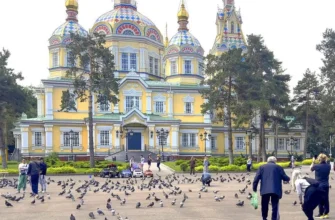
Within the park stands the remarkable Zenkov Cathedral (also called the Holy Ascension Cathedral), an entirely wooden structure built without a single nail between 1904 and 1907. Standing 54 meters tall, it is one of the world’s highest wooden cathedrals and is architecturally unique due to its innovative construction technique designed by architect A.P. Zenkov. The cathedral miraculously survived the devastating 1911 earthquake with minimal damage, a testament to its brilliant anti-seismic design and engineering. This survival is often attributed both to divine intervention and to the advanced earthquake-resistant techniques employed by its architects. The cathedral is located on Zenkov Street, making it an easily integrated stop when visiting the bazaar area.
Sweet Escapes: The Rakhat Chocolate Factory
For those with a sweet tooth, the LOTTE Rakhat Candy Factory (formerly known as the Rakhat Chocolate Factory) is nearby. Located along Zenkov Street, Rakhat is Kazakhstan’s most famous and oldest confectionery brand, with a history dating back to 1942. The company was renamed JSC LOTTE Rakhat in April 2021 following a partnership with the South Korean LOTTE Group. With approximately 4,500 employees and production facilities in both Almaty and Shymkent, the company produces over 400 types of confectionery products. The official store is a paradise of chocolates, candies, and other sweets. Their products are Halal-certified (since 2016) and include a wide range from classic chocolate bars to low-calorie alternatives for those with dietary restrictions. Picking up a few bars of their classic “Kazakhstan” chocolate, with its iconic blue wrapper, makes for a perfect, delicious souvenir.
Nearby Mountain Attractions: Kok Tobe Park, Medeu Ice Rink, and Chimbulak Ski Resort
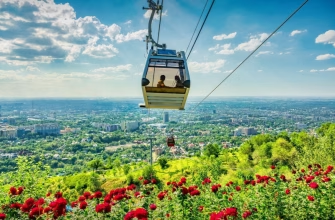
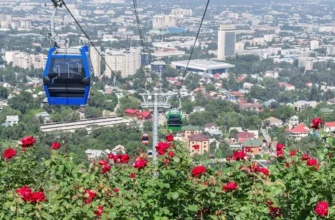
Just beyond the immediate vicinity of the bazaar, Almaty offers remarkable mountain attractions. Kok Tobe Park, accessible via cable car from Dostyk Avenue (Abay Avenue), offers panoramic views of the city and surrounding mountains. The cable car journey takes approximately 6 minutes to travel 1,727 meters at a maximum height of 80 meters above ground, gaining 250 meters in elevation. The park, established in 1967, features attractions including a zoo, TV tower, observation wheel, and fast coaster.
The Medeu Ice Skating Rink, located 1,691 meters above sea level in Medeu Valley, is the world’s highest outdoor skating rink. Famous for its ultra-pure ice made from mountain spring water, Medeu has hosted numerous world records in speed skating. During winter months, visitors can skate surrounded by mountains and fir trees. In summer, the facility transforms into a sports complex with courts for hockey, basketball, and volleyball.
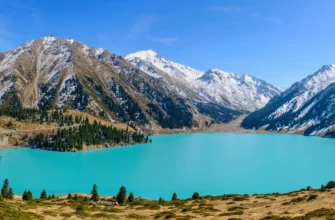
Just above Medeu, the Chimbulak ski resort (also known as Shymbulak) sits at 2,200 meters elevation and is the largest ski resort in Central Asia. Located approximately 30 kilometers south of Almaty in the Zaiilisky Alatau mountain range, it offers skiing and snowboarding during winter months and hiking during summer months. Together, these attractions showcase Almaty’s access to world-class winter sports and year-round mountain recreation.
Planning Your Almaty Itinerary: Integrating the Green Bazaar into Your Journey
A visit to the Green Bazaar can easily be integrated into a full day of exploration. Start your morning at the bazaar to experience its peak energy and freshest produce. After a few hours of shopping and a delicious lunch at one of the food stalls, spend the afternoon relaxing in Panfilov Park and visiting Zenkov Cathedral and the Central Mosque. Later, if time permits, take the cable car up to Kok Tobe Park for sunset views. This creates a well-rounded itinerary that combines food, culture, history, and leisure, all within a compact and walkable area. No special tickets are required for entry into the bazaar itself, making it a flexible and easy addition to any Almaty travel itinerary. Consider visiting during the summer months for warm weather and peak produce selection, or during autumn months for pleasant temperatures and fewer tourists.
Practical Tips for a Smooth Green Bazaar Experience
A few final tips will ensure your visit is as enjoyable and comfortable as possible.
What to Wear and Bring: Comfort, Convenience, and Reusable Bags
Comfort is key. Wear comfortable walking shoes, as you’ll be on your feet for several hours exploring the vast market. Dress in layers, as the indoor pavilion can be warm while outdoor sections can be cooler, especially during winter months. It is highly recommended to bring your own reusable shopping bags. Not only is this environmentally friendly, but it also makes carrying your purchases much easier and more convenient. Don’t forget to bring cash (small denominations are best) and a sense of adventure. A portable travel guide like Lonely Planet’s “Best in Travel” or online resources can also enhance your experience with historical context and recommendations.
Visiting with Kids: Making it Fun for the Whole Family
The Green Bazaar can be a fantastic experience for children, engaging all their senses. Turn the visit into a scavenger hunt, looking for different colored fruits or unique vegetables. Let them try new things at the dried fruit and nut stalls – vendors are often particularly friendly to children and generous with samples. The upstairs food court offers plenty of simple, kid-friendly options like fresh bread, grilled meats, and noodles. Keep a close eye on children in crowded areas and establish a meeting point in case you get separated. The market’s vibrant atmosphere and variety make it an educational experience that helps children learn about different cultures, foods, and traditions.
Remember: The Green Bazaar is not just a shopping destination – it’s a living museum of Kazakh culture, Central Asian trade, and the region’s rich history. Every visit reveals something new, and the connections you make with vendors and locals will be as memorable as the flavors you discover. Whether you’re seeking authentic ingredients, unique handicrafts, or simply an immersive cultural experience, the Green Bazaar delivers an unforgettable adventure that captures the essence of Almaty and Kazakhstan’s multicultural heritage.