Almaty’s Allure and 2026 Safety Outlook
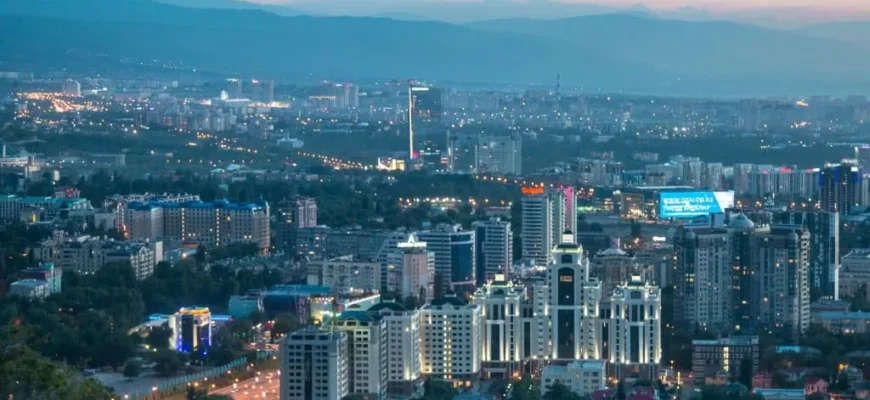
Dreaming of the snow-capped peaks of the Tian Shan mountains, lush green valleys, and a city buzzing with a unique blend of Soviet history and modern Kazakh culture? Almaty, Kazakhstan’s former capital and largest metropolis, is increasingly on the radar of discerning travelers. With the Almaty region seeing a record surge in tourism – surpassing 2 million visitors by late 2025 – its popularity is undeniable. But as you plan your adventure, the crucial question remains: Is Almaty safe for tourists?
The short answer is yes, Almaty is a safe destination for travelers who exercise standard precautions. However, as the city grows, it presents unique challenges. This guide moves beyond simple reassurances to provide a comprehensive, practical look at staying safe in Almaty – covering everything from petty crime and public transportation to natural hazards and cultural etiquette – ensuring your trip is memorable for all the right reasons.
Why Almaty is a Must-Visit Destination
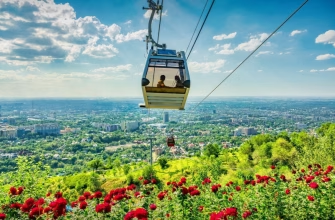
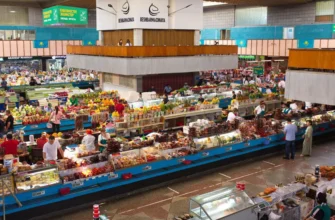
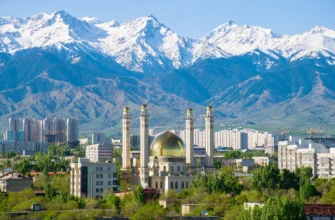
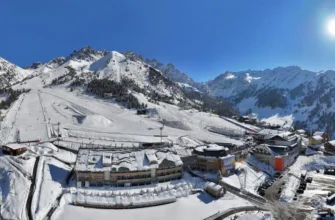
Almaty’s appeal lies in its stunning natural backdrop and vibrant urban life. Nestled at the foot of the Trans-Ili Alatau mountains, the city offers immediate access to world-class hiking, skiing at Shymbulak, and the iconic Medeu ice-skating rink. Within the city, wide, tree-lined avenues meet a burgeoning café culture and the bustling Green Bazaar. This unique combination of urban energy and accessible nature makes it a compelling destination for extended travel.
Overall Safety Assessment for Tourists in 2026
While personal anecdotes often praise Almaty’s safety, the broader context is equally encouraging. In late 2025, data continues to show positive trends; general crime rates in Almaty have seen a steady decline of over 20% since 2023. Numbeo’s 2025 City Safety Index rates Almaty as moderate, comparable to many Eastern European cities. For tourists, the primary concerns remain petty theft and situational awareness rather than violent crime.
Understanding Crime and Personal Security
Vigilance, not fear, is your most effective tool.
Common Petty Crimes: Pickpocketing and Bag Snatching
Opportunistic crime is the most common risk. Hotspots include:
- Green Bazaar (Zelyony Bazar): A prime location for pickpockets. Keep wallets in front pockets and backpacks on your chest.
- Public Transport: Crowded buses and the metro are common targets. Be vigilant when boarding and alighting.
- Tourist Areas: Panfilov Park and Arbat Street attract both tourists and thieves. Avoid displaying expensive electronics.
Nightlife Safety
Almaty has a lively nightlife, but caution is required.
- Drink Spiking: rare but possible. Never leave drinks unattended.
- Overcharging: Pay for drinks as you order to avoid inflated tabs.
- Late-Night Travel: Avoid flagging down unmarked cars. Use a reputable app.
Digital Security: A 2025 Priority
Digital security is critical. While authorities are cracking down, Kazakhstan saw a doubling of cyberattacks and botnet activity in early 2025.
- ATMs: Use machines inside banks to avoid skimmers.
- Wi-Fi: Avoid sensitive transactions on public Wi-Fi without a VPN.
- Scams: Be wary of phishing attempts or fake QR codes in public spaces.
Navigating Almaty: Transport and Arrival Safety
Almaty International Airport (ALA) and the New Terminal
The travel experience improved significantly with the full operation of the new international terminal in late 2024.
- Arrival: Ignore aggressive touts offering “taxi” services in the arrivals hall.
- Transfers: Head to the official taxi booth or use the dedicated pickup lane for ride-hailing apps.
Taxis and Public Transportation
- Ride-Hailing: Yandex Go remains the gold standard for safety, offering GPS tracking and fixed pricing.
- Public Transport: The city’s bus and metro system is efficient. Use the Onay! card or app for payment.
- Avoid Unmarked Cars: “Gypsy cabs” (hailing random cars) are common among locals but risky for tourists due to language barriers and lack of accountability.
Health & Well-being: Vaccinations and Care
Maintaining health is crucial, especially for those on an extended travel itinerary.
Vaccinations and “Travel Boosters”
Before departure, ensure you are up to date with routine childhood vaccinations (MMR, Diphtheria-Tetanus-Polio).
- Covid-19 Vaccinations: While not strictly mandatory for entry in late 2025, being fully vaccinated is recommended.
- Travel Booster: Consult your doctor about a travel booster for Tetanus or Typhoid, especially if you plan to trek in the Almaty Province or consume rural water sources.
Food and Water
- Water: Do not drink tap water. Stick to bottled or filtered water.
- Food: Street food is generally safe at busy stalls, but ease into local cuisine to avoid stomach upsets.
Altitude Sickness
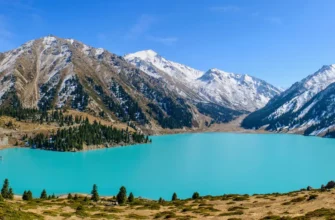
Attractions like Shymbulak (2,200m+) and Big Almaty Lake (2,500m+) can cause mild altitude sickness. Ascend slowly and stay hydrated.
The Critical Importance of Travel Insurance
Travel insurance is not just recommended; it is essential. The public health care system in Kazakhstan is improving but may not meet the comfort standards or language needs of international travelers. Private clinics are excellent but expensive. Ensure your policy covers:
- Medical evacuation (essential for mountain trekking).
- Coverage for the full Almaty region and neighboring provinces.
- Adventure sports (skiing/hiking) if you plan to be active.
Environmental Hazards: Earthquakes and Terrain
Almaty sits in a seismically active zone.
- Earthquakes: In early 2024 and 2025, the city felt tremors. Familiarize yourself with the “Drop, Cover, and Hold On” protocol. Identify safe spots in your hotel room immediately upon arrival.
- Mountain Safety: The mountains are beautiful but dangerous. Avalanches in winter and mudslides in spring are real risks. Always check alerts from Kazakh authorities before hiking.
Cultural Nuances and Legal Considerations
Language: The Script Transition
The transition from Kazakh Cyrillic to Latin script is ongoing. In 2025, you will see a mix: official signs may use Latin, but Kazakh Cyrillic remains dominant in daily life. Most locals are bilingual in Kazakh and Russian. English is common in hospitality but less so in rural areas.
Border Zones and Permits
If you plan to hike near the borders (e.g., parts of the Trans-Ili Alatau near Kyrgyzstan or zones in the Almaty Province near China), you may need a special border permit.
- Authority: These are issued by the Kazakh National Security Committee.
- Timeline: Apply at least 14 days in advance through a local tour operator. Entering these zones without a permit can lead to detention and fines.
Public Demonstrations
While generally stable, avoid any public demonstrations or large political gatherings. Laws regarding public assembly are strict, and foreigners should steer clear to avoid inadvertent legal trouble.
Money
The currency is the Kazakhstani Tenge. Cash is still king in smaller shops and bazaars, though Apple Pay/Google Pay is widely accepted in the city.
Your Almaty Emergency Action Plan
Save these numbers:
- Universal Emergency: 112
- Police: 102
- Ambulance: 103
Lost Documents
If you lose your passport, contact your embassy immediately. Keep digital copies of your passport and travel insurance policy in a secure cloud location.
Conclusion
Is Almaty safe for tourists in 2025? Absolutely. The city is more accessible than ever, thanks to the new airport terminal and improved digital infrastructure. By securing comprehensive travel insurance, respecting the guidance of Kazakh authorities, and staying vigilant against petty crime, you can safely enjoy the rich culture and breathtaking landscapes of the Almaty region.