Unveiling Big Almaty Lake, Almaty’s Jewel
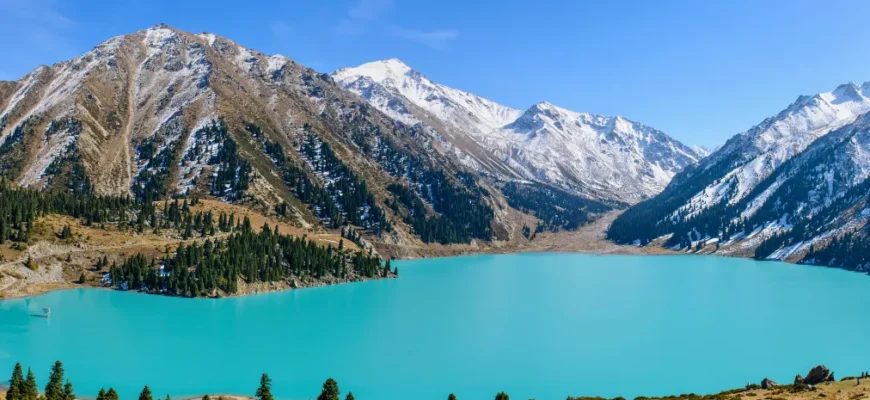
Nestled high in the Tian Shan mountains approximately 15 kilometers south of Kazakhstan’s bustling southern capital, Big Almaty Lake is a breathtaking spectacle of nature. Its striking turquoise-to-emerald water, framed by jagged peaks, draws travelers from across Central Asia and the world. Almaty city itself is a gateway to incredible natural beauty, and for the 43% of foreign tourists who visit for the mountains and nature, this alpine reservoir is often at the top of the list. With tourism on the rise – Almaty welcomed 1.1 million tourists in the first half of 2025 – getting accurate information for this iconic day trip is more crucial than ever. In 2024, the Ile-Alatau National Park received over 500,000 visitors in just the first seven months, making Big Almaty Lake one of Kazakhstan’s most popular natural attractions.
Why This Guide is Essential Now: Your Up-to-Date Source for Big Almaty Lake
Planning a visit to Big Almaty Lake isn’t as simple as just showing up. Access can be unpredictable due to road closures, weather conditions, extreme fire risk, and ongoing infrastructure work. Many online guides are dangerously outdated, leading to confusion and disappointment. As of August 2025, the road to the lake has been closed to all vehicular traffic – including cars, bicycles, e-bikes, and scooters – due to extreme fire risk, a temporary measure that typically persists until the first snowfalls. This guide is designed to be your definitive resource, providing the most current information on access status, transportation options, and what to expect on-site. We cut through the noise to give you a clear, actionable plan for experiencing one of Kazakhstan’s most stunning natural jewels.
Big Almaty Lake: A Glimpse into Its Majestic Beauty and Significance
Before diving into logistics, it’s essential to understand what makes this destination so special. More than just a pretty picture, the lake is a vital natural and scientific hub nestled within the magnificent Ile-Alatau National Park, a protected area of critical ecological importance.
What is Big Almaty Lake?
Big Almaty Lake, or “BAO” (Bolshoe Almatinskoy Ozero) as it’s often called, is a natural alpine reservoir located at an altitude of 2,511 meters (8,238 feet) above sea level in the Trans-Ili Alatau mountains. Over 2,000 years ago, a powerful earthquake created a deep fissure in the mountains, triggering a massive rockslide that formed a natural dam blocking the river’s flow. The resulting water-filled fissure created one of the world’s most picturesque lakes. Today, it serves a critical dual purpose: it’s a primary source of drinking water for the sprawling metropolis of Almaty city below and a magnet for hikers, photographers, and nature lovers.
The lake is surrounded by three majestic peaks that create a dramatic, amphitheater-like setting:
- Sovetov Peak (Councils Peak): 4,317 meters, visible from the northern end of the dam’s southeast
- Ozyorny Peak: 4,110 meters, to the south
- Turist Peak: 3,954 meters, to the southwest
The lake itself measures approximately 1.6 kilometers in length, 0.75 to 1 kilometer in width, and has a coastline of about 3 kilometers. Its depth ranges from 30 to 40 meters, making it a relatively deep alpine body of water with a total water volume of approximately 14 million cubic meters.
The Enchanting Colors of Big Almaty Lake Explained
The lake’s most famous feature is its striking, often surreal color, which shifts dramatically from milky turquoise to deep emerald green depending on the season, time of day, and viewing angle. This mesmerizing hue is not a trick of the light but a scientific phenomenon resulting from fine glacial sediment (glacial flour) suspended in the water. This sediment is produced by the grinding action of glaciers and meltwater on rock surfaces. As seasons and weather conditions change, the concentration of these minerals fluctuates, causing the lake to display its dynamic palette. The water is fed by glacial meltwater from the surrounding peaks, making it exceptionally pure and clear. The maximum water level typically occurs in August, while the minimum occurs in February, with water level fluctuations reaching approximately 20 meters seasonally. The stark contrast between the vibrant water and the rugged, snow-dusted mountains of the Tian Shan range creates truly unforgettable scenery.
Critical Update: Big Almaty Lake’s Current Access Status (READ THIS FIRST!)
This is the most important section of the guide. As of August 2025, all vehicular access to Big Almaty Lake has been temporarily restricted, including private cars, taxis, bicycles, and e-bikes. This is a critical update that has fundamentally changed how visitors access the lake. Understanding the current situation beforehand is non-negotiable for planning a successful visit.
Understanding Current Restrictions and Road Closures
The primary reason for the current road closure is extreme fire risk and public safety. The region has been classified as highly fire-prone, and park authorities have implemented this temporary ban to prevent wildfires and protect the fragile alpine ecosystem. This closure was implemented on August 4, 2025, with no exact end date announced. Typically, such restrictions remain in effect until the first significant snowfalls, which usually occur in late October or November.
Historically, the road to the lake has been susceptible to seasonal hazards including mudflows and rockfalls, especially after heavy rain or during the spring thaw. Additionally, since the lake is a protected water source for Almaty, access has periodically been restricted to prevent contamination and protect the delicate ecosystem. Construction projects aimed at improving road safety and preventing natural disasters have also required temporary closures.
Official Information & How to Get Real-Time Updates
There is no single, consistently updated government website for tourists. The most reliable ways to get real-time information are:
- Ask Your Accommodation: Hotel or hostel staff in Almaty are often well-informed about the current status and can make inquiries on your behalf.
- Contact Local Tour Operators: Companies running trips to the lake will have the latest information. Even if you don’t book with them, a quick phone call can provide clarity on whether the vehicle ban is still in effect and what alternatives are available.
- Visit the Ayusai Visitor Centre: Located in the Ayusai Gorge en route to the lake, this is an excellent official source. Staff there can provide the most accurate, up-to-the-minute details on road conditions and accessibility. The centre includes a café and clean facilities.
- Check the Official National Park Website: The Ile-Alatau National Park occasionally posts updates, though these may not always be up-to-date.
National Park Entry Permits and Fees
Big Almaty Lake is located within the Ile-Alatau National Park, a protected area that has seen immense popularity. To enter, you must pass through an ecological checkpoint. Here, you will be required to pay an entrance fee. As of 2025, the entrance fee is 200 Kazakhstani Tenge (KZT) per person for access to the park. Be sure to have cash in small denominations, as card payments are not always reliable at remote checkpoints. This fee contributes to the park’s conservation and maintenance, a crucial effort given Kazakhstan’s increasing investment in environmental protection.
Navigating Your Way: How to Get to Big Almaty Lake from Almaty City (Step-by-Step Guide)
Getting to the lake involves a multi-stage journey. Due to the current vehicle restrictions, the most practical option for independent travelers is hiking. Here are the most common methods, broken down by convenience, effort, and adventure level.
Option 1: Hiking from the Ayusai Visitor Centre (Current Recommended Method)
Given the vehicle ban on the main road, this is now the most realistic independent option for most travelers.
Process:
- Take a taxi (Yandex Go) or bus to the Ayusai Visitor Centre, located in the Ayusai Gorge (still accessible by vehicle as of December 2025)
- From the Ayusai Centre, hike or arrange a hiking guide from there
- Follow the established hiking trail, which is well-marked and straightforward
Cost: Yandex taxi from central Almaty to Ayusai Centre: approximately 3,000-5,000 KZT one way (prices as of January 2025 range from 5,300-7,000 KZT from First President’s Park to the lake boundary). National park entrance fee: 200 KZT.
Duration: Approximately 3-4 hours of hiking from the Ayusai Centre to reach the lake viewpoint.
Pros: Accessible by taxi/public transport; straightforward hiking route; visitor centre has facilities (café, restrooms, WiFi).
Cons: Requires hiking ability and proper footwear; hiking in summer heat at high altitude can be challenging.
Option 2: The Budget-Friendly Adventure – Bus & Hike Combination
For travelers on a tight budget, the local bus offers the cheapest way to start the journey. This method requires significant time and effort but offers a more authentic experience.
Step 1: Bus to the Starting Point
Take Bus #28 from Almaty city. The most convenient place to catch it is opposite the entrance of First President’s Park on Al-Farabi Avenue (the bus also stops at Navoi Street/Al-Farabi). The bus journey costs approximately 150 Tenge (80 Tenge with an Onay transport card). The bus takes roughly 30-40 minutes to reach its final stop.
Step 2: The Checkpoint
The bus will drop you at its final stop near the eco-post/checkpoint, which is located approximately 15 kilometers from the city centre and about 6 kilometers from the lake. Pay your park entrance fee here (200 KZT per person).
Step 3: The Final Leg
From the checkpoint, you now have limited options due to the vehicle ban:
Hiking: The hike to the lake is approximately 8-10 kilometers uphill on a winding gravel road (following the pipeline route can reduce distance by about 2 kilometers). This is a strenuous but scenic walk that takes 2.5-4 hours one way depending on fitness level and which route you take. The pipeline shortcut involves steep metal stairs followed by a dirt path – it’s more challenging but significantly quicker.
Local Guides: Some local operators near the checkpoint may offer guiding services on foot. Inquire locally about availability.
Option 3: Guided Tours – Convenience and Expertise
Numerous tour operators in Almaty offer day trips to Big Almaty Lake. This is a hassle-free option that often includes transportation to the starting point, a guide, and sometimes lunch. It’s an excellent choice if you’re short on time, prefer not to navigate the complex logistics, or want expert knowledge about the area. Tours typically cost 8,000-15,000 KZT per person depending on the operator and inclusions. Tours can often be combined with other nearby sights, such as the Ayusai Waterfalls, Alma-Arasan Gorge with thermal springs, or Charyn Canyon on multi-day itineraries.
Option 4: Yandex Go with Local Arrangements
As of December 2025, some reports indicate that Yandex taxis can still reach the upper checkpoint areas where the vehicle ban technically applies, though this situation remains fluid and subject to enforcement. If considering this option:
- Cost: Current prices from central Almaty (First President’s Park) range from 5,300-7,000 KZT one way
- Important: Request that the driver take you as far as legally permitted. Negotiate a round trip with waiting time in advance, which can cost 15,000-20,000 KZT or more
- Current Status: Verify with the taxi driver or your accommodation before booking that vehicle access hasn’t been further restricted
Important Considerations for ALL Transport Options
Regardless of how you choose to travel:
- Mobile Service: Mobile signal will be intermittent once you enter the mountains. Download offline maps (Yandex Maps or Google Maps) of the area before you leave Almaty city.
- Cash: Always carry enough Tenge for park fees, local arrangements, meals, and emergencies. ATMs are not available near the lake.
- Time of Day: Plan to depart early (7-8 AM) to ensure you have daylight for hiking and return travel. The last bus back to the city typically departs in the early evening.
Experiencing Big Almaty Lake: What to Expect On-Site
After the journey, the reward is the spectacular sight of the lake itself. Here’s what to expect upon arrival and how to make the most of your time.
Arrival and Initial Views
You will typically arrive at a viewing area elevated above the lake, near the hydroelectric system infrastructure. This area offers the classic, panoramic postcard view of the turquoise water and surrounding peaks. The immediate shoreline is generally off-limits to protect the water quality and ecosystem, but the elevated perspective provides fantastic photo opportunities. Take your time to soak in the immense scale of the surrounding Tian Shan peaks and the pristine alpine environment.
Activities and Exploration (Conditions Permitting)
The primary activity at the lake is appreciating the scenery and photography. Formal hiking trails directly around the lake are limited due to its status as a protected water source. However, the road you walked up continues past the lake, offering further exploration for serious hikers. The distance from the lake viewpoint to the meteorological/Cosmo station is approximately 2-3 hours of hiking, and adventurous mountaineers use this area as a base for climbing nearby summits like Big Almaty Peak (3,680 meters), though this is a serious undertaking requiring proper gear, experience, and an early start.
The Tien Shan Astronomical Observatory (Cosmostation/Kosmostantsiya)
Located further up the mountain road from Big Almaty Lake, the Tien Shan Astronomical Observatory is situated at approximately 2,700-2,800 meters altitude (some sources cite 2,735 meters). This research facility, founded in 1957, is often called the “Cosmostation” locally and is part of Kazakhstan’s National Center for Space Research and Technologies. While public access to the facility itself is often restricted, the journey there offers spectacular high-altitude views back down toward the lake and the surrounding valley. The meteorological/cosmic ray station (known locally as the “Cosmo station”) is situated at 3,300 meters and is a separate facility from the observatory. Check locally if walking up to the observatory grounds is permitted during your visit, as access can vary.
Facilities and Amenities at Big Almaty Lake
Facilities at the lake itself are extremely limited. There are no permanent cafés, restaurants, or modern restrooms. Occasionally, a small local vendor might sell tea or snacks from their car, but you should not rely on this. It is essential to be entirely self-sufficient. The nearest café and facilities are at the Ayusai Visitor Centre, well before reaching the lake.
Essential Tips for a Safe and Enjoyable Visit
Preparation is key to a successful trip to Big Almaty Lake. The mountain environment is beautiful but unforgiving.
Best Time to Visit Big Almaty Lake
The ideal time to visit is from June through early October when the weather is mildest and most stable, and road access (if/when it’s available) is most likely to be open. During summer, weekdays are preferable to weekends to avoid large crowds. In autumn, particularly September and October, the lake reaches its highest water levels and displays particularly stunning turquoise-blue hues. This is why most of the breathtaking photographs online are taken between mid-September and late November.
During winter (November through March), the lake is frozen, the area is covered in deep snow, and the hike becomes extremely challenging and potentially dangerous without proper alpine gear, experience, and mountaineering equipment. Spring (April-May) typically sees avalanche risk and ongoing snowmelt, making conditions unpredictable.
What to Pack for Your Trip
- Layered Clothing: The temperature at 2,500 meters is significantly colder than in Almaty city, even in summer. Bring a fleece jacket and a waterproof/windproof outer layer. Morning and evening temperatures can be near freezing even in July.
- Sturdy Hiking Boots: Proper hiking boots are essential, especially if you plan to hike from the checkpoint or take the pipeline shortcut. Avoid running shoes or casual footwear.
- Sun Protection: The sun is incredibly strong at high altitudes. Pack high-SPF sunscreen, sunglasses, and a wide-brimmed hat. Sunburn happens quickly at altitude.
- Water and Snacks: Bring at least 2 liters of water per person and enough high-energy snacks for the day. There are no shops or water sources along the main route (though a freshwater spring exists about 10 minutes into the hike).
- Cash: Have enough Tenge for transport, park fees (200 KZT per person), and any unexpected needs. Do not rely on card payments.
- Portable Power Bank: Your phone battery will drain faster in the cold and due to frequent GPS/photography use.
- Hiking Poles: Optional but highly recommended, especially for the descent, to reduce knee strain.
Safety First in the Mountains
- Altitude: While 2,500 meters is not extremely high, some people may experience mild altitude effects (headache, shortness of breath). Ascend gradually, stay hydrated, and don’t overexert yourself. If you experience severe symptoms, descend to a lower altitude.
- Weather: Mountain weather changes rapidly. Check the forecast before you go, but always be prepared for sudden rain or wind. Bring a waterproof jacket even if skies are clear in the morning.
- Trail Safety: The pipeline route has steep metal stairs and loose rocks. Proceed carefully, especially on descent. Several accidents have occurred on the Ayusai Gorge descent route – avoid this route if possible, and never rush on steep sections.
- Border Awareness: The lake is located near the Kazakhstan-Kyrgyzstan border. Remain on marked trails and don’t attempt to venture toward border areas.
Environmental Responsibility
Big Almaty Lake is a precious natural resource and the city’s drinking water source. It is strictly forbidden to:
- Swim, wade, or even touch the water
- Leave any trash behind
- Make fires or camp outside designated areas
- Pick plants or disturb wildlife
Follow the “Leave No Trace” principle and pack out everything you pack in. Your responsible behavior ensures this natural wonder can be enjoyed for generations to come and protects both the ecosystem and Almaty’s water supply.
Heading Back to Almaty City: Completing Your Journey
Getting back down the mountain requires as much planning as getting up.
Planning Your Return Transport
If you hiked up: Be prepared to hike down. The descent is typically faster (1.5-2 hours) but can be hard on the knees. Many hikers find the descent more challenging than the ascent. Trekking poles are highly recommended for the return journey.
If you took a local taxi up: You can often arrange for the same driver to pick you up at a designated time. Confirm pickup arrangements before you start your hike, and consider setting a phone alarm to ensure you’re at the meeting point on time.
If you took Bus #28: Check the schedule for the last departure back to Almaty city before you leave the city. The last bus typically departs in the early evening (check current schedules, as they may vary seasonally).
Hitchhiking down: Generally easier than going up, as many locals and tourists will be leaving in the late afternoon. However, don’t rely solely on hitchhiking for your return journey – always have a backup plan.
Pre-Trip Planning: Where to Stay & General Almaty Logistics
A great trip to the lake starts with a solid base in the city.
Accommodation in Almaty City
Almaty offers a wide range of accommodation options, from budget-friendly hostels popular with backpackers to high-end international hotels. Popular budget options mentioned by travelers include Almaty Central Hostel, Almaty Backpackers, and Interhouse Almaty. Staying near a metro station or a major avenue like Al-Farabi can make catching public transport to President’s Park much easier. The increasing number of foreign tourists staying in Almaty accommodations has led to a vibrant and competitive hospitality scene, with many establishments offering tourist advice and activity bookings.
Getting Around Almaty
- Yandex Go: Download this taxi app for convenient point-to-point transport. Standard rates within the city are 420 KZT minimum.
- Public Transport: A single bus/metro ticket costs 80 Tenge with an IC card (Onay card) or 150 Tenge cash. Almaty has one metro line plus numerous bus routes.
- Metro: Almaty’s single metro line provides quick transport to central locations and can get you to areas near First President’s Park.
Troubleshooting Common Issues
“The road is closed – what do I do?”
This is normal and expected. If you arrive to find the road closed to vehicles:
- Visit the Ayusai Visitor Centre to assess hiking conditions
- Consider joining a guided tour if hiking solo seems unsafe
- Check back in a few days as temporary closures may be brief
“I don’t have enough cash for fees”
Some checkpoints may accept card payments through mobile payment apps, but this is not guaranteed. Always withdraw cash from an ATM in central Almaty before heading up the mountain.
“The weather looks bad – should I go?”
Mountain weather can change rapidly. If you’re at the checkpoint and conditions are deteriorating, it’s better to abandon the trip than risk being caught in a storm at high altitude. Your safety is more important than seeing the lake.
Conclusion
A trip to Big Almaty Lake is an unforgettable highlight of any visit to Almaty and Kazakhstan. While the journey requires careful planning, flexibility, and a willingness to adapt to changing access conditions, the reward is a view of one of Central Asia’s most spectacular natural landscapes. By understanding the current access situation, choosing the right transportation method, and preparing for a day in the mountains, you can ensure your visit is both safe and awe-inspiring.
This iconic destination within the Ile-Alatau National Park is a powerful reminder of the wild beauty that lies just beyond the city limits, waiting to be explored responsibly. The lake’s role as both a water source for Almaty and a critical ecosystem makes visitor responsibility essential. As you plan your adventure, remember to check for the latest updates on access restrictions, pack wisely, respect the environment, and embrace the journey as part of the experience. Whether you’re a photographer seeking the perfect turquoise reflection, a hiker pursuing mountain air, or simply a nature lover wanting to witness one of Kazakhstan’s treasures, Big Almaty Lake will not disappoint.
Key Resources & Information Summary
| Aspect | Details |
|---|---|
| Altitude | 2,511 meters (8,238 feet) |
| Distance from Almaty | ~15 km by road; ~20 km total distance |
| Entrance Fee | 200 KZT per person |
| Best Season | June–October (September–October for best photos) |
| Current Access | Vehicular ban in effect as of August 4, 2025 (fire risk); hiking only |
| Hiking Time | 2.5–4 hours one way from checkpoint (8–10 km) |
| Lake Dimensions | 1.6 km long, 0.75–1 km wide, 30–40 m deep |
| Surrounding Peaks | Sovetov (4,317m), Ozyorny (4,110m), Turist (3,954m) |
| Observatory Altitude | Tien Shan Observatory: 2,700–2,800 m; Cosmo Station: 3,300 m |
| Water Volume | ~14 million cubic meters |
| Coastline | ~3 kilometers |
| Taxi Cost (when available) | 5,300–7,000 KZT one way (prices as of January 2025) |
| Bus Cost | 150 KZT (80 KZT with IC card) |
| National Park Visitors (2025) | 500,000+ in first seven months |
| Almaty Tourists (2025) | 1.1 million in first six months |